


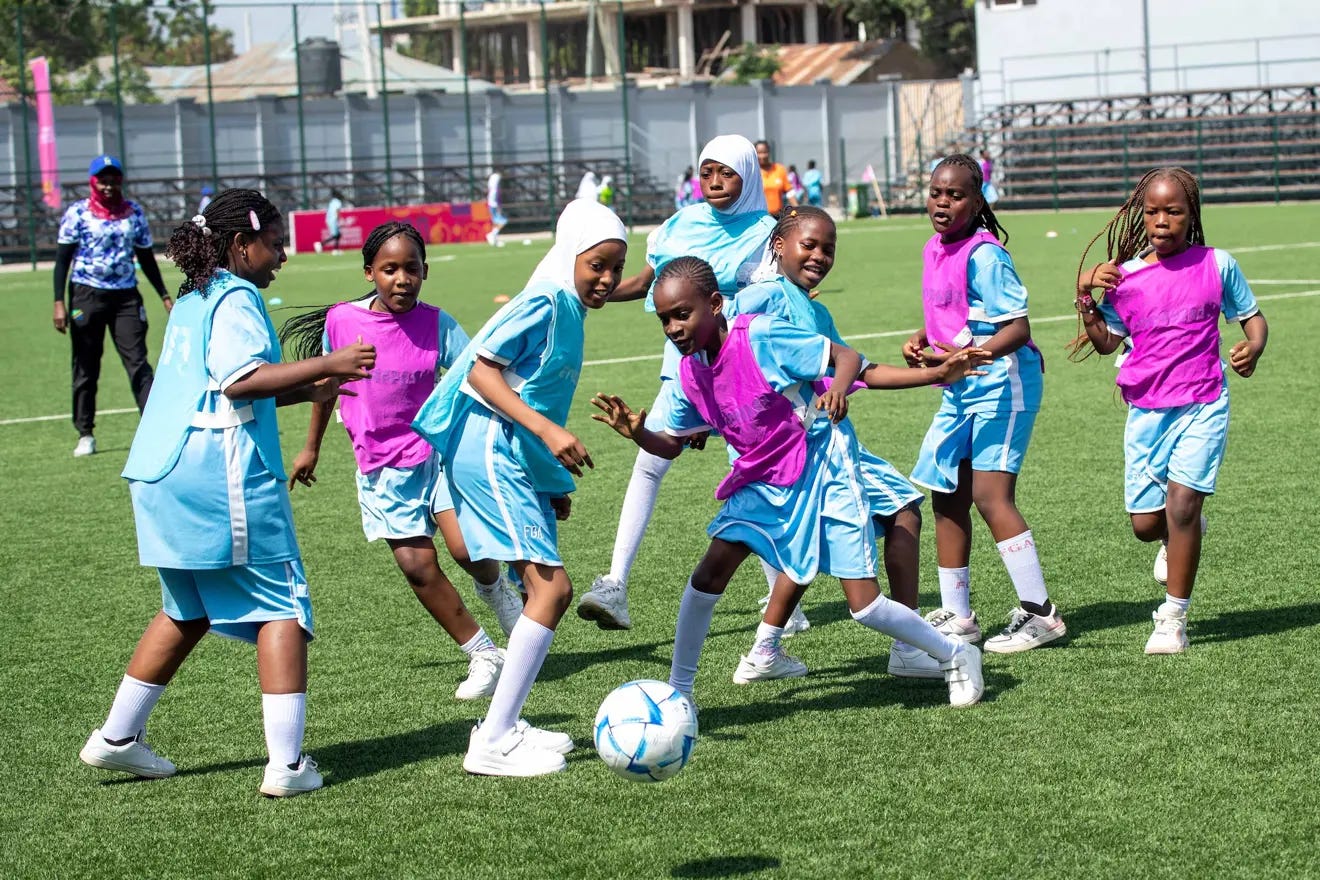
Football has always been more than a game in Africa. It lives in our streets, schoolyards, community fields and conversations. It brings people together across language, age, culture and circumstance. It can create a sense of belonging where very little else connects people. But there is another story about African football that deserves to be told. It is the story that does not always make the headlines.
It is the girl who arrives at training quietly and leaves with a little more confidence. It is the young woman who meets a mentor through sport and discovers a possibility or opportunity she had never considered. It is the community that gathers around a football programme and, sometimes without realising it, begins building relationships, confidence and leadership. This is the side of football that has shaped my own understanding of the sport.
Through founding Nqoba Home of Hope and working to create pathways for girls through football, I have come to see the game differently. Football is not simply a place where girls can play. With the right structures around it, it can become a place where they learn to lead, connect, imagine and create opportunities for themselves and others. The more I have worked in this space, the more I have found myself asking a question:
What if some of the most meaningful forms of sports diplomacy do not begin at international conferences, but on community football fields?
Where diplomacy begins
When we hear the words sports diplomacy we often picture dignitaries or senior officials at major sporting events, international federations signing agreements, or athletes representing their countries on the global stage. Those moments matter.
But diplomacy, at its heart, is about people. It is about people-to-people relationships, trust, understanding and creating connections across differences.
Those connections can begin much closer to home. A football field can bring together people who might never otherwise meet. A coach can become a mentor. A player can become a leader. A community organisation can form a relationship with an international partner. A young girl can enter football simply wanting to play and discover a world of education, leadership and opportunity beyond the pitch.
In that sense, grassroots football has diplomatic potential because it begins with human connection. This matters particularly in Africa, where football is deeply embedded in community life and where young people are not simply the future of the continent; they are its present.
We often talk about African athletes as performers on the international stage. We celebrate the players who reach the world’s biggest leagues and competitions, and rightly so. But we should also pay attention to what happens before that stage. Who creates the environment in which a girl first discovers football?
Who makes sure she has access to participate?
Who introduces her to people who can guide her?
Who shows her that the sporting world includes much more than being an athlete?
And who helps connect her local experience to a wider world of opportunity?
These questions matter because participation alone does not necessarily create opportunity.
From access to possibility
For many girls, the first barrier is simply being given the opportunity to participate. But access is only the beginning.
A meaningful football pathway should create possibilities around a young person.
That is why I believe in building around the following five connected pillars:
Access
Exposure
Mentorship
Leadership
Opportunity
Access means being able to enter the game. Exposure means seeing what exists beyond the immediate environment meeting people, entering new spaces, learning about different careers and understanding that there is a world beyond what may have seemed possible. Mentorship means having someone who can help navigate that world.
Leadership means learning to use your voice, make decisions, take responsibility and eventually create space for others. Opportunity means having somewhere to take those experiences.
These pillars are inherently interconnected. A girl may have talent, but without access she may never enter the game. She may have access, but without exposure she may never discover what is possible. She may gain exposure, but without mentorship she may not know how to navigate unfamiliar spaces. She may develop confidence, but without opportunities to lead, that confidence may never become influence.
This is why the ambition for girls’ football cannot simply be to produce better players.
It should be to develop young women who understand that they belong in the future of sport and who have the tools to help shape that future.
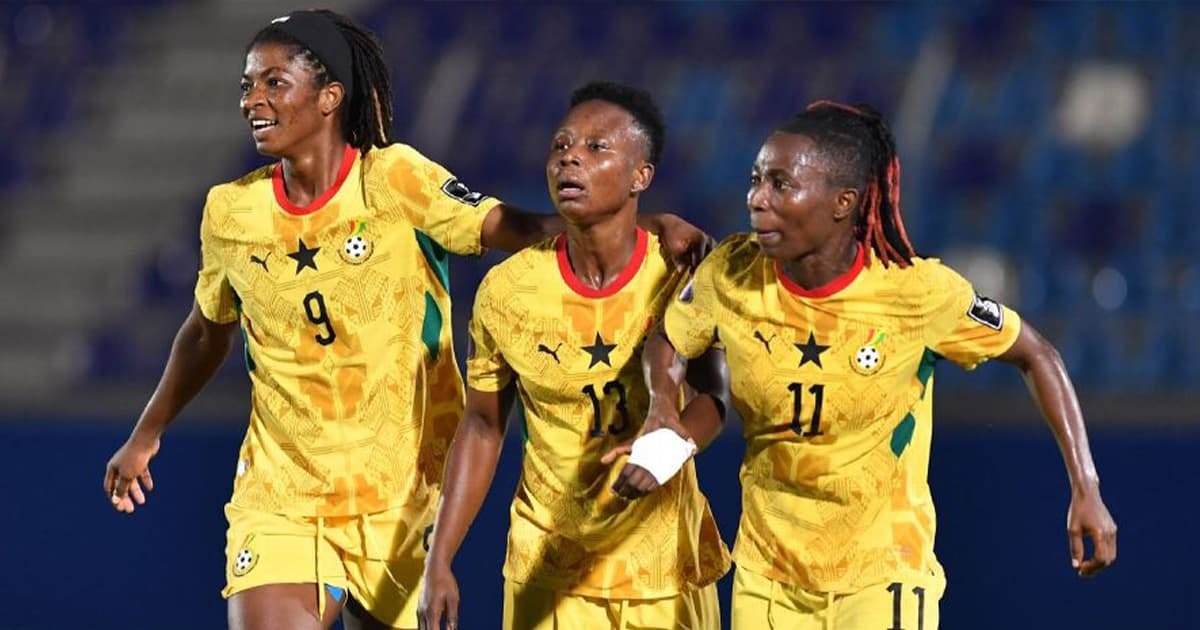
The African opportunity
Africa has an extraordinary football culture and one of the world’s youngest populations. Together, those realities create enormous potential. But potential does not automatically become opportunity.
Too many young people remain disconnected from the networks, resources and pathways that could help them turn their potential into possibility. For girls, those gaps can be even wider.
If we want women’s football to grow sustainably, investment cannot begin only when a player reaches an elite level.
It has to:
Begin much earlier.
Reach communities.
Support coaches and mentors.
Create safe and welcoming environments.
And it has to give girls pathways that extend beyond participation.
We also need to broaden our definition of success. A girl who does not become a professional footballer has not failed.
She might become a coach.
She might become a sports journalist.
She might work in football administration, law, medicine, education or communications.
She might become an entrepreneur.
She might become a leader in her community. Or she might return to the same community where she started and create opportunities for another generation of girls.
That is also football development. And ultimately, that is also legacy.
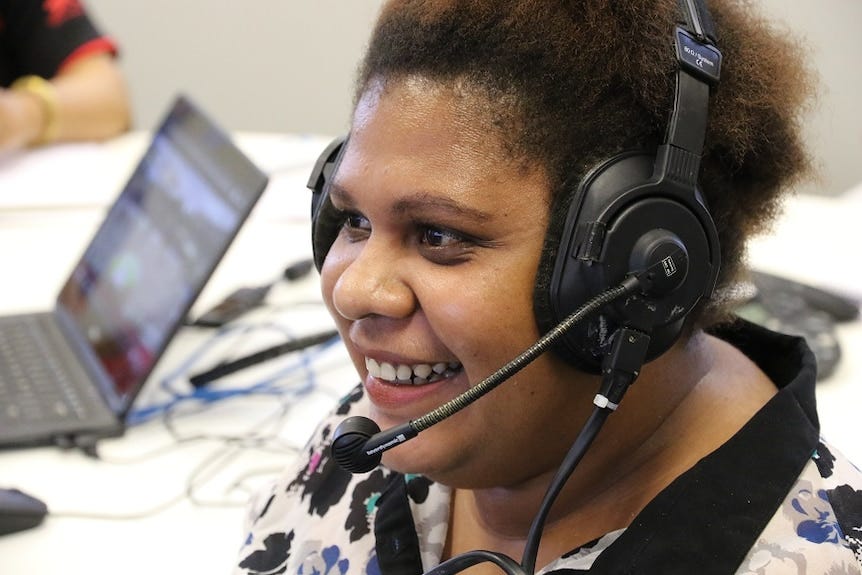
From beneficiaries to leaders
There is another shift I believe we need to make. We need to reconsider how we see young girls in development programmes.
Too often, they are described primarily as beneficiaries. Receiving support is important. But if that is where the story ends, we have missed the bigger possibility.
The goal should be to help young people move from being recipients of opportunity to becoming creators of opportunity.
Imagine a girl who enters a community football programme at ten years old.
She learns to play.
She discovers confidence.
She meets mentors.
She develops leadership skills.
Years later, she becomes a coach and returns to work with younger girls.
The original investment has now multiplied.
It did not end with one participant.
It travelled through her into another generation. That is the kind of impact grassroots sport can create.
It is also why the people closest to communities must have a meaningful voice in designing the programmes intended to serve them.
Communities understand their own realities. They know the barriers girls face. They know what makes a programme accessible, sustainable and meaningful. International partnerships can bring resources, expertise and connections.
But the strongest partnerships are not built around one side giving and the other receiving. They are built around listening, learning and building together.
Rethinking sports diplomacy
This is where grassroots football offers an important lesson to the wider sports-diplomacy conversation.
Diplomacy is often associated with institutions. Grassroots development reminds us that institutions are ultimately built through relationships between people.
If we want stronger relationships between communities, countries and sporting systems, we should not underestimate the power of creating those relationships at a human level.
A young South African girl meeting someone from another country through football may appear to be a small moment. It is not necessarily small. That interaction can challenge an assumption.
It can create curiosity.
It can build confidence.
It can open a door.
And sometimes a door is all someone needs to begin imagining a different future.
Not every meaningful sporting exchange needs to happen at a World Cup or an Olympic Games. Sometimes diplomacy happens through a coach sharing knowledge with another coach.
Sometimes it happens when a mentor gives a young woman time, guidance and belief.
Sometimes it happens when a community organisation forms a partnership with an organisation thousands of kilometres away.
And sometimes it happens when a girl discovers that the world of sport is much bigger than she had imagined.
The field as a starting point
I do not believe football can solve every social challenge facing Africa.
It cannot replace education, economic opportunity, good governance or investment in communities. But I do believe we sometimes underestimate what football can make possible when it is intentionally connected to those things.
A football field can be a classroom.
It can be a meeting place.
It can be a leadership laboratory.
It can be a bridge between communities.
And it can be the first place where a young person learns that her voice matters.
That is why grassroots football deserves to be taken seriously not as a smaller version of elite sport, but as a powerful ecosystem in its own right.
The question should no longer be only:
How many girls are playing football?
We should also ask:
How many are becoming leaders because of it?
How many are finding mentors?
How many are gaining access to education and opportunity?
How many are entering the wider sporting workforce?
How many are returning to their communities and opening doors for others?
And how many relationships are being created across borders because of a game that began on a local field?
These forms of impact do not always appear on a scoreboard. They can, however, shape a life.
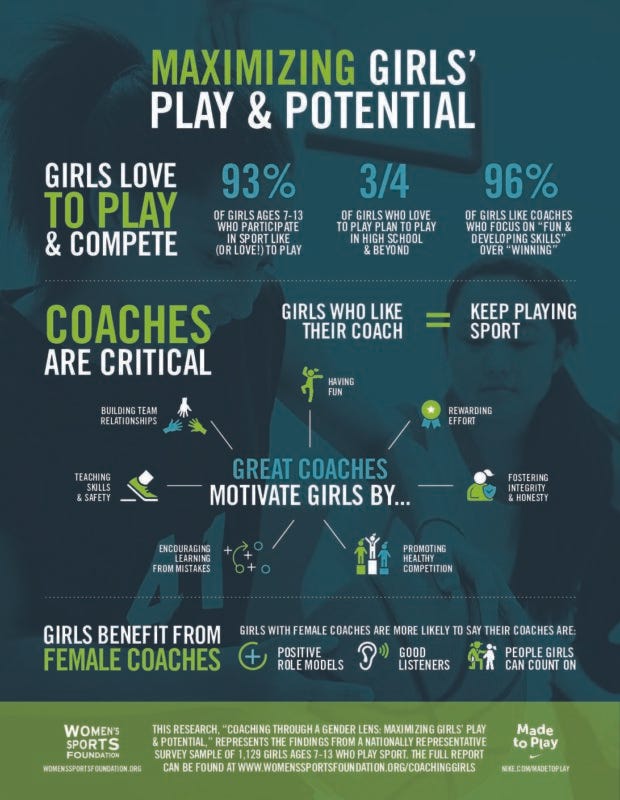
What comes next
My hope is that we begin to see grassroots football differently.
Not simply as charity.
Not only as talent identification.
Not as a waiting room for elite sport.
But as an investment in people.
When we give girls access to football, we are giving them more than a place to play.
If we build the right structures around that access, we can give them confidence, networks, mentors, leadership experience and pathways into spaces where decisions about the future of sport are made.
And when those girls eventually occupy those spaces, they can change what those spaces look like. That is the opportunity in front of us.
For me, Nqoba Home of Hope is rooted in a simple belief a girl’s circumstances should not determine the size of her future.
Football can be part of changing that.
But the deepest power is not in the football itself. It is in what happens around it.
The relationships.
The mentorship.
The exposure.
The confidence.
The leadership.
The opportunities.
And ultimately, the belief that a girl who begins on a community football field can one day help shape the world beyond it.
Perhaps that is where we should begin to rethink sports diplomacy in Africa. Not only in stadiums filled with thousands of people.
Not only in boardrooms and international summits. But also on the fields where young girls are learning to find their voice.
Because sometimes the first step towards changing the world is simply being given a place to play.
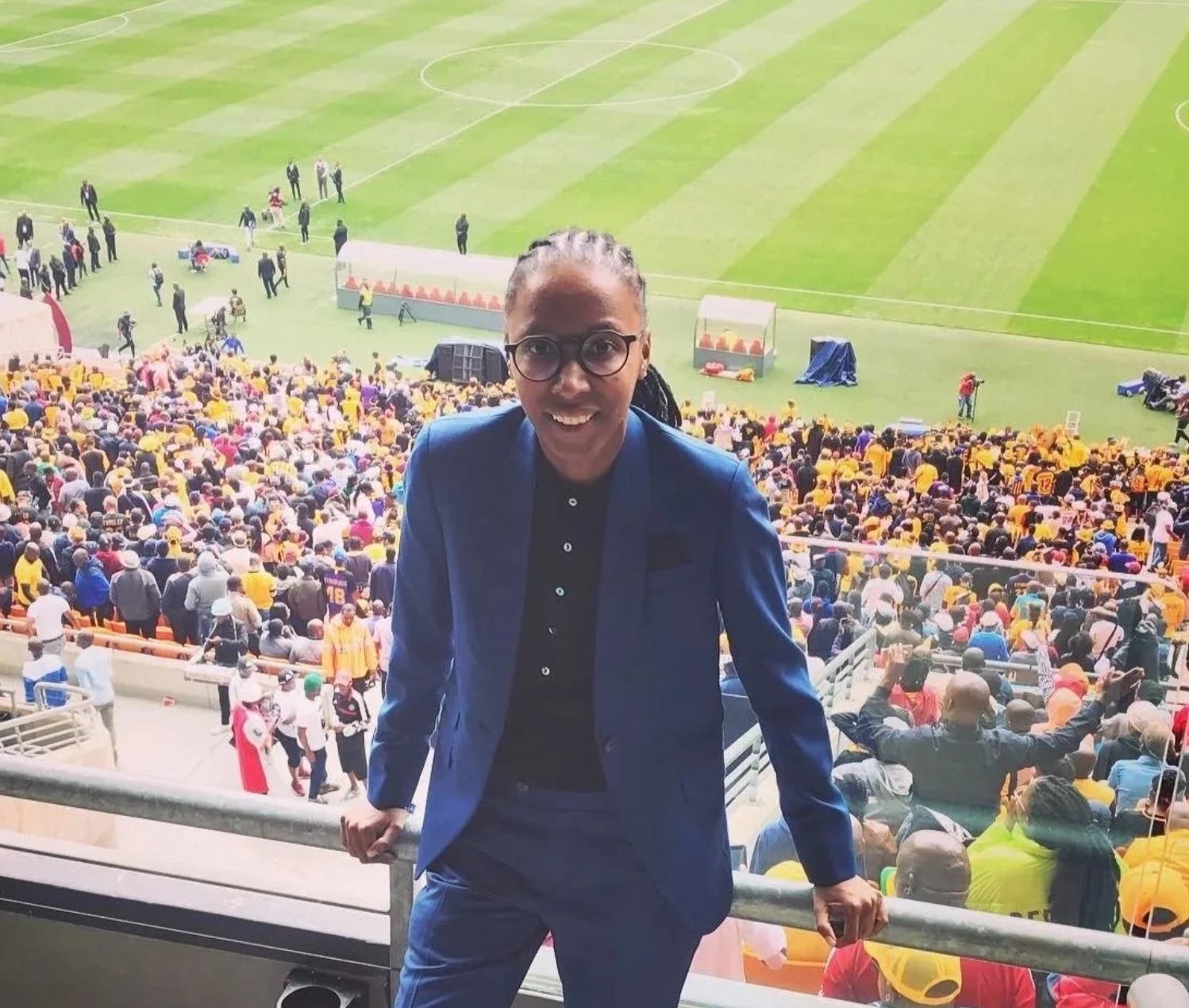
About your guest author: Lerato C. Motjale
Lerato Motjale is a South African football development advocate, community builder and founder of Nqoba Home of Hope, a grassroots initiative creating pathways for girls through football. Her work is shaped by a belief that the game can be much more than what happens on the pitch — it can open doors to confidence, education, leadership, belonging and opportunity.
Coming from a community-rooted perspective, Lerato writes and speaks about the people and stories behind football: the girls who deserve to be seen, the communities that nurture talent, and the leaders who have the power to make the game more inclusive. Her perspective brings together grassroots experience, women’s football and the wider role sport can play in changing lives.
Lerato was awarded the opportunity to study Sport Philanthropy at George Washington University in the United States, as the only South African selected for the programme. The experience has further deepened her interest in how sport, investment and community-led ideas can come together to create lasting change.
At the heart of Lerato’s work is a simple question: what becomes possible when football is used not only to develop players, but to develop people? Through her writing and advocacy, she hopes to keep that question at the centre of conversations about the future of the game.
Wonderful essay.
Thanks Earl - Lerato did a wonderful job with this piece 👍🙏